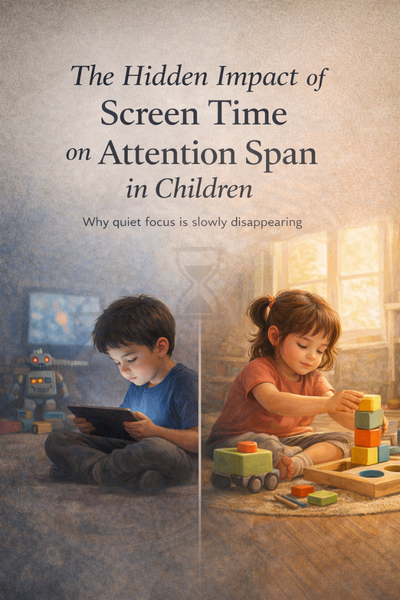
Discover how excessive screen time affects attention span in children and how purposeful play and screen free educational toys can help rebuild focus naturally.
It did not happen suddenly. There was no dramatic moment or obvious warning sign. The changes were small and easy to overlook.
My seven year old could sit through an entire cartoon episode without blinking but struggled to sit with a puzzle for even ten minutes. My four year old could swipe through videos confidently but quickly lost patience when stacking blocks fell twice. That contrast felt unsettling.
Screens seemed to hold their attention effortlessly, while simple play activities struggled to keep them engaged. That was the first signal that something deeper might be happening.
When Screens Hold Attention Too Easily
Many parents say their child can focus very well on a tablet or phone. But what appears to be focus is often stimulated attention rather than real concentration.
Screens are designed to capture attention through fast visuals, instant rewards, and constant novelty. There is no effort required, no waiting, and very little problem solving.
Real attention span in children develops differently. It grows through experiences where children try and fail, wait for their turn, solve something independently, repeat activities, or build something from their imagination.
These kinds of cognitive development activities require friction and effort. Screens remove that friction. When effort disappears, patience and persistence can weaken over time.
The Subtle Signs of Shrinking Attention Span
The impact of screen time on children rarely appears overnight. Instead, it shows up quietly through everyday behaviour.
Children may begin switching activities quickly, saying “I’m bored” more often, or avoiding tasks that require thinking and concentration. Activities that once kept them engaged may suddenly feel difficult or frustrating.
This is not about completely removing screens. The real challenge is balance. When screen time becomes the easiest source of stimulation, slower forms of learning and play can start to feel too demanding.
Why Screen Free Play Matters More Than Ever
Improving focus in children does not simply mean reducing screen time. It also means replacing that time with activities that encourage deeper engagement.
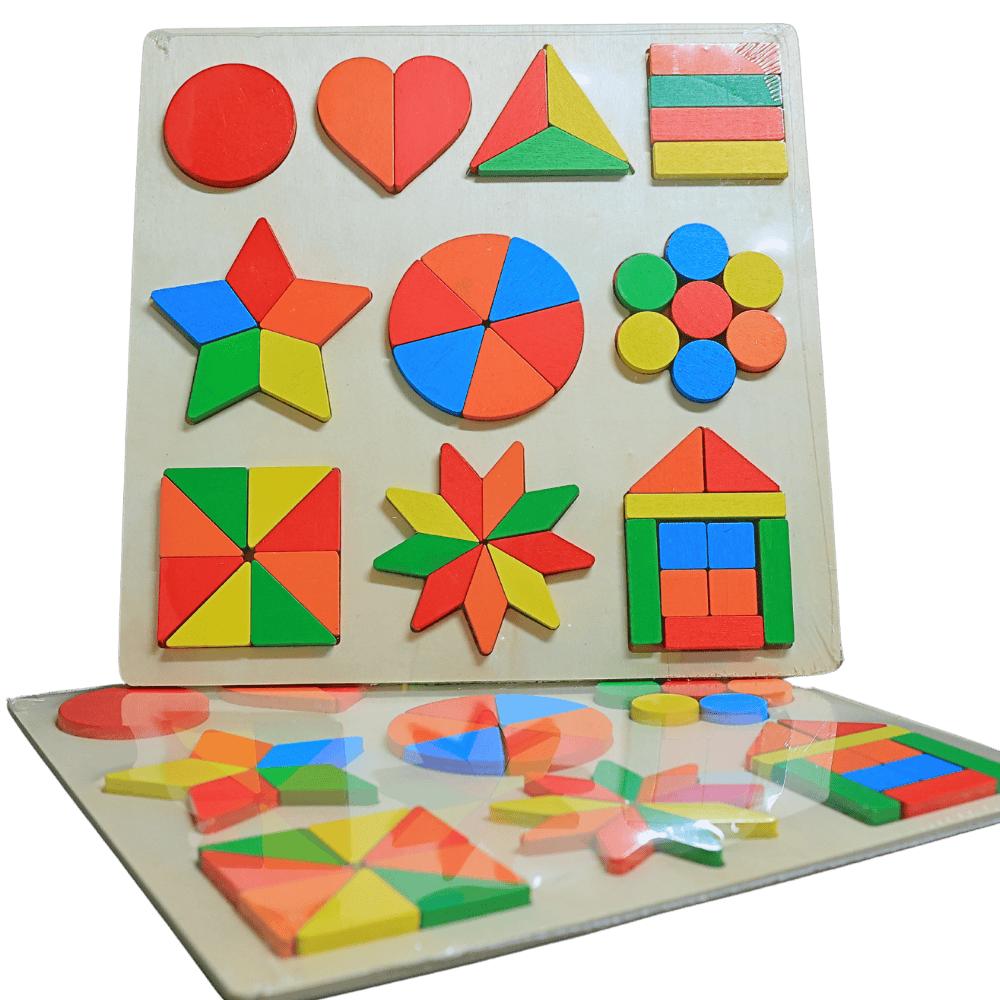
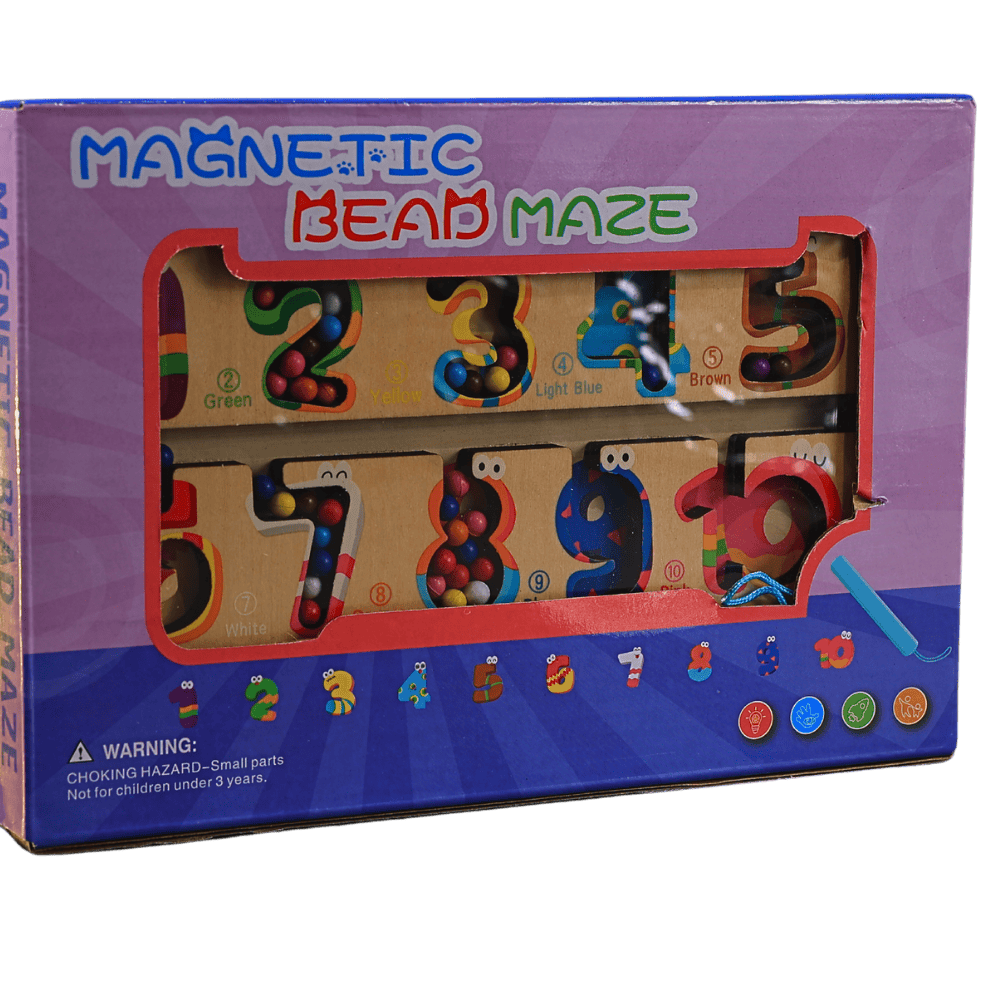
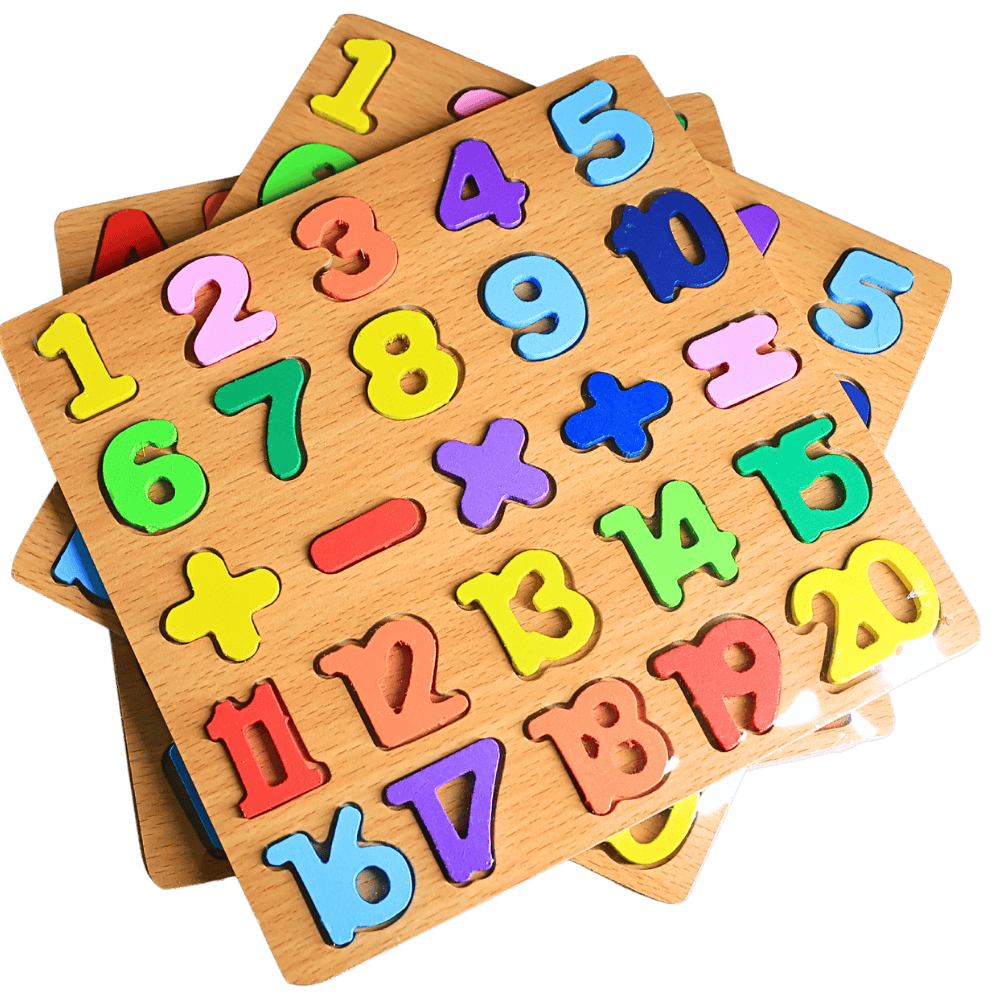
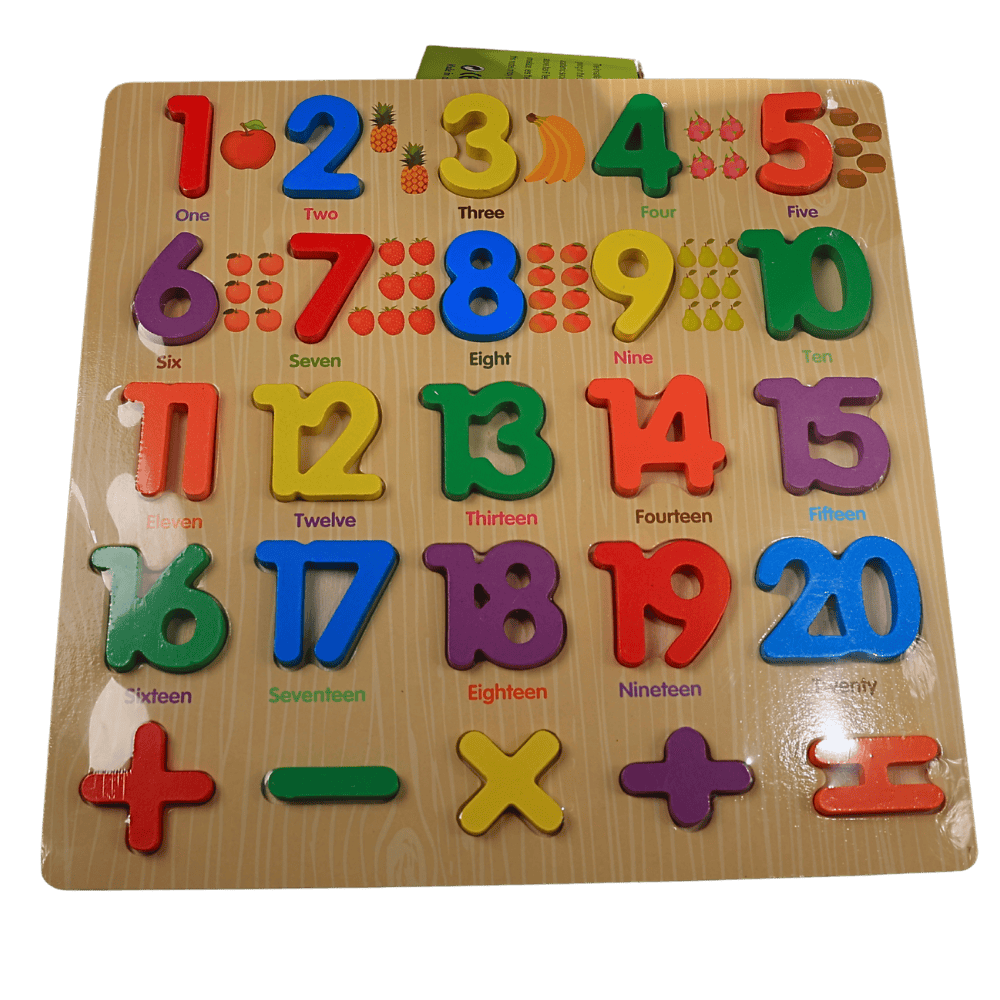
Screen free toys create a different rhythm of play. They invite participation, encourage trial and error, and strengthen problem solving skills. Toys like puzzles, building blocks, and memory games do not provide instant rewards. Instead, they require patience and effort.
That effort plays an important role in developing attention span.
When my older child started spending more time with logic and problem solving toys from our Shop by Skill collection, I noticed longer stretches of concentration. When my younger one explored age appropriate toys from our Shop by Age section, stacking and sorting slowly became more engaging than scrolling through videos.
The change was not dramatic, but it was real.
How to Reduce Screen Time Without Conflict
Reducing screen time for kids does not have to involve sudden bans or strict rules. Instead, it often works better to introduce alternatives that naturally capture their interest.
Parents can begin by choosing educational toys that match their child’s developmental stage. Montessori inspired toys, open ended toys, and hands on activities that strengthen fine motor skills often keep children engaged for longer periods.
When children are deeply involved in meaningful play, they tend to ask for screens less frequently because their need for stimulation is already being fulfilled.
The Long Term Cost of Passive Attention
Attention span influences much more than playtime. It affects academic learning, emotional regulation, patience, confidence, and independent thinking.
When children develop the ability to focus deeply, they gain the confidence to solve problems and complete tasks on their own. However, when attention becomes dependent on constant stimulation, rebuilding that focus later can become more difficult.
That is the quiet cost of excessive screen exposure. It is not always visible immediately, but its effects can appear gradually over time.
Why We Choose Differently at NOIIET
At NOIIET, we believe childhood deserves depth. That is why we curate screen free educational toys designed to support real child development.
Our toys encourage focus, imagination, creativity, and sustained engagement. They are not meant to simply entertain for a few minutes but to invite children to explore, build, and think.
Not because screens are bad, but because balance matters.
When toys invite children to think instead of simply react, something begins to change. The room may become quieter, but the mind becomes stronger.
And sometimes, protecting a child’s attention today protects their confidence tomorrow.